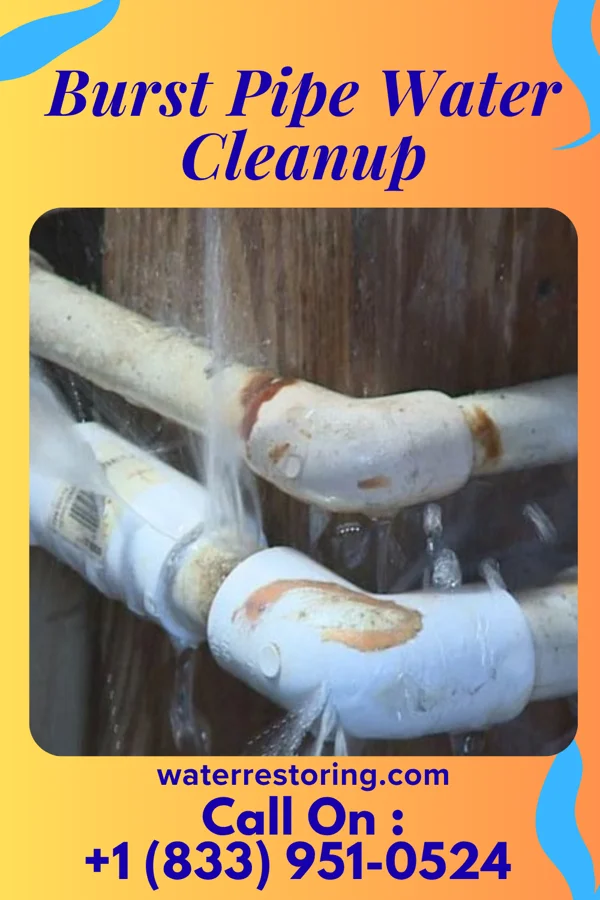
Why Burst Pipes Hit Capitan Hard
Numbers tell the story in Capitan: Capitan, located in Lincoln County, experiences a mix of seasonal weather patterns that can stress plumbing systems. The rural setting often means older infrastructure, which can be more prone to pipe bursts, especially during temperature fluctuations. Additionally, the proximity to mountainous terrain can lead to sudden weather changes, increasing the risk of pipe damage. drives the majority of emergency restoration calls. A close second is The area's remote location and limited access to immediate repair services can exacerbate the impact of a burst pipe. Capitan's population of around 1,431 means fewer plumbing professionals are available for emergency response, which can delay repairs and increase water damage risks..
Capitan's climate, characterized by cold winters and warm summers, creates unique challenges for plumbing systems. The region's elevation and mountainous surroundings contribute to sudden temperature changes, which can stress pipes and increase the likelihood of bursts.
Capitan's climate, characterized by cold winters and warm summers, creates unique challenges for plumbing systems. The region's elevation and mountainous surroundings contribute to sudden temperature changes, which can stress pipes and increase the likelihood of bursts. The dominant local driver is Capitan, located in Lincoln County, experiences a mix of seasonal weather patterns that can stress plumbing systems. The rural setting often means older infrastructure, which can be more prone to pipe bursts, especially during temperature fluctuations. Additionally, the proximity to mountainous terrain can lead to sudden weather changes, increasing the risk of pipe damage., with The area's remote location and limited access to immediate repair services can exacerbate the impact of a burst pipe. Capitan's population of around 1,431 means fewer plumbing professionals are available for emergency response, which can delay repairs and increase water damage risks. a frequent secondary cause. Water damage progresses in stages: spread, absorption, microbial growth, structural compromise — each stage compounds the cost.